Food nourishes everything, from animals to plants. Even microbes need food. Food even nourishes fetuses before they are born and is supplied by mothers. Babies need food for their physical and mental growth and to keep them healthy. Children and adults derive energy needed for their activities as well as keeping them strong.
Food consists of nutrients including proteins, carbohydrates and fats, which are called macronutrients as they in larger amounts in foods. Vitamins and minerals are called micronutrients as they are present in small amounts.
Humans used to hunt and gather food like other animals but then they decided that it is better to grow their own food by agriculture so they could have food anytime and anywhere they need. They started growing crops, raising farm animals and would also get fish and seafood.
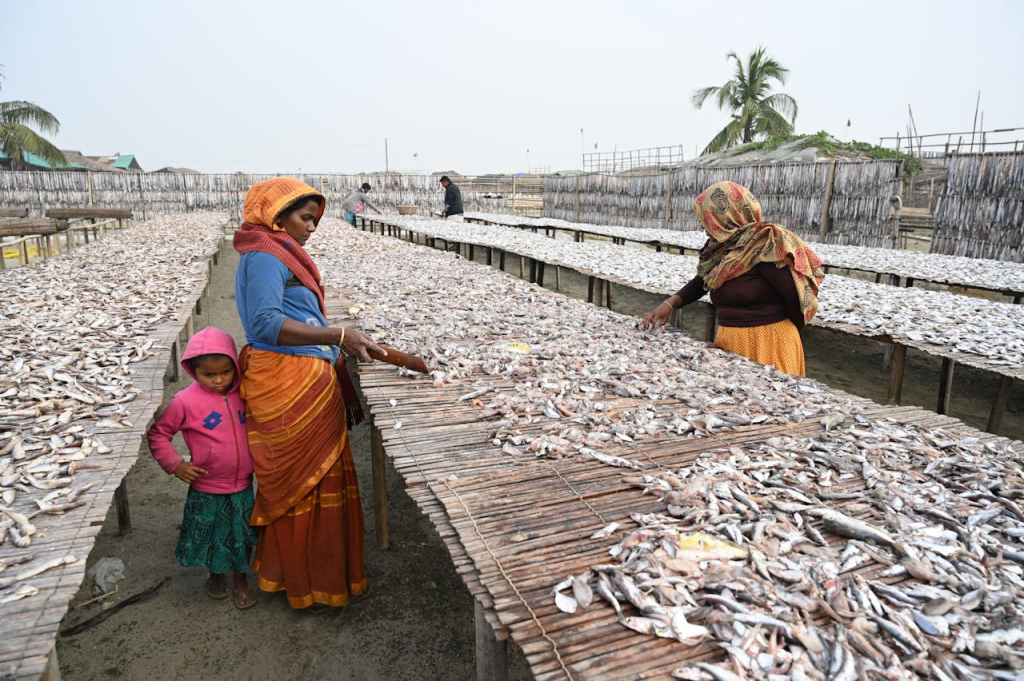
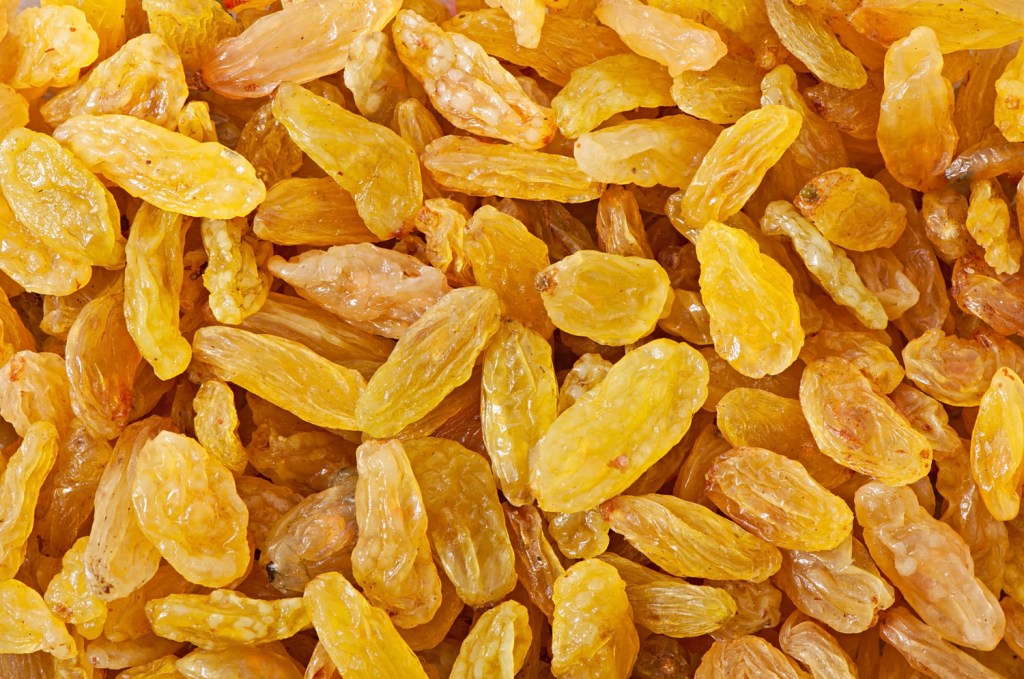
It was soon realised that food once prepared for cooking and consumption, does not last for long. It undergoes changes that ultimately makes it inedible and also unsafe. In early days, since they did not have refrigerators to keep the leftover food that could be reheated and consumed later, they had to throw it away. They learned that if they dried food such as fruits, fish or meat, it would last for some more time without spoilage. They found that if food was pickled by salt and/or fermentation, it would last for more time. This was the beginning of food science. People started using it to prolong shelf life of food so waste was minimised.
Food consumed will be digested in the gut and the nutrients are absorbed by body. These nutrients are then supplied to various tissues and organs where needed. The excess is either stored in the body or excreted out. This is the nutrition science. Food science and nutrition are not the same although very much related. We will try to discuss some of the aspects of both separately as well as together when they interact.

